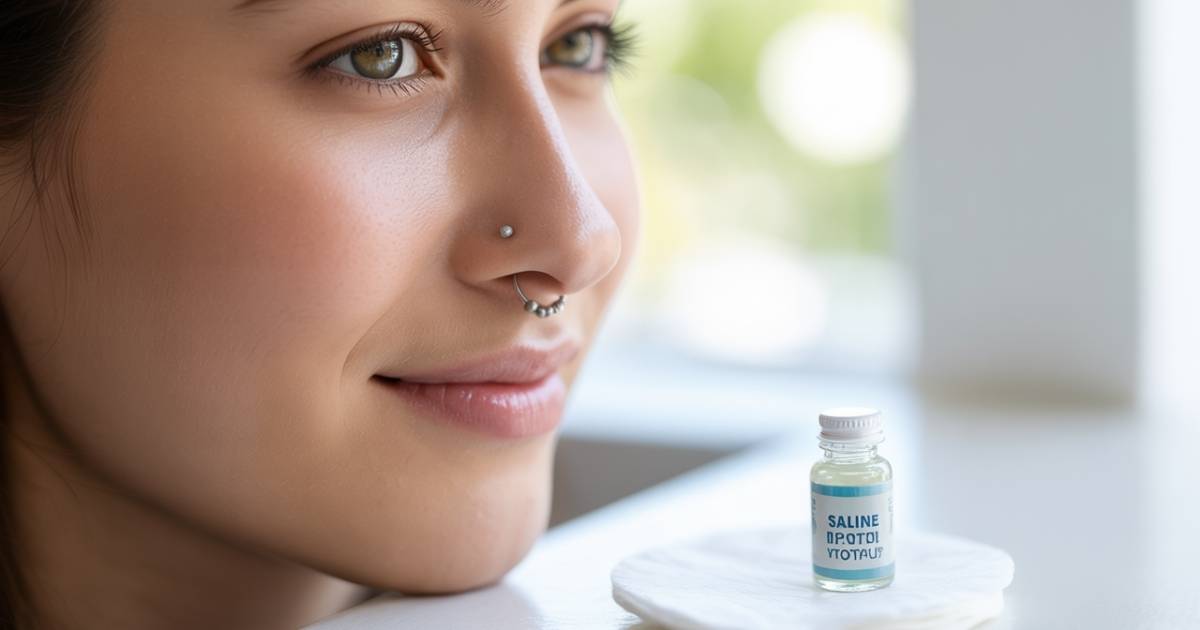
You touch your nose piercing and catch that weird scent again. That slightly musty, oddly cheese-like smell. Don’t panic you’re definitely not alone here.
Nose piercings smell for completely normal biological reasons. Dead skin cells mix with natural oils. Body bacteria break everything down. The result? That distinctive piercing scent you’ve noticed. Most people with body piercings experience this. It’s manageable, fixable, and usually harmless.
Understanding the causes of odor helps you address them effectively. This guide covers everything from bacteria buildup to jewelry material impact, giving you the knowledge to keep your piercing fresh and healthy.
Why Do Nose Piercings Smell? Understanding the Causes and Solutions
Your body constantly sheds millions of skin cells daily. Your nose piercing creates a perfect environment where these cells accumulate. Sebum buildup (those natural oils your skin produces) mixes with dead cells in the piercing channel. Body bacteria feast on this combination, creating the characteristic odor around piercing sites.
The smell isn’t a sign you’re doing something wrong. It happens to almost everyone with piercings. However, distinguishing between normal piercing scent and signs of a nose ring infection is crucial. Normal smell appears mild and disappears after proper cleaning. Infection-related odors persist despite thorough care and come with additional symptoms.
Understanding Why Nose Piercings Smell
Causes of Odor in Nose Piercings
Multiple factors contribute to smelly piercing situations:
Dead skin cells constantly shed into your piercing channel. They decompose naturally, creating that distinctive scent. Healing piercings trap more cells than established ones.
Skin oils from sebaceous glands protect and lubricate your skin. Your nose has concentrated sebaceous glands producing abundant sebum. This oily substance collects around jewelry, intensifying smell when combined with cellular debris.
Moisture and warmth create ideal bacterial growth conditions. Your nose stays consistently warm. Breathing adds humidity. These environmental factors accelerate the breakdown process causing foul odor causes in some cases.
Jewelry movement from touching or adjusting creates microscopic skin particles. These settle in your piercing channel. Movement disturbs buildup, releasing that noticeable scent from nose ring jewelry.
Makeup, moisturizers, and sunscreen accumulate around piercings. Products mix with body secretions creating sticky residue. This residue traps debris and bacteria, compounding smelling issues significantly.
Role of Bacteria and Sebum
Skin bacteria live naturally on everyone’s body. They’re not inherently dangerous. Species like Staphylococcus epidermidis actually protect your skin. These microorganisms break down dead cells and sebum through metabolic processes. This breakdown produces the characteristic smell many describe as “cheesy” or musty.
Natural oils serve crucial protective functions for skin health. During adolescence, stress, or hormonal fluctuations, sebum production increases dramatically. Some people naturally produce more than others. Diet influences production levels too.
The chemistry behind the scent involves bacteria consuming sebum and cellular material. Their metabolic byproducts create that distinctive piercing odor. Smell intensity varies person to person based on individual body chemistry, bacterial populations, and oil production rates.
Over-cleaning strips protective bacteria away. This disrupts the natural balance. Under-cleaning allows harmful bacteria proliferation. Finding the right piercing hygiene balance maintains a healthy environment.
Distinction Between Normal and Unusual Smells
Normal smell characteristics:
- Mild, slightly musty or earthy scent
- Only noticeable when touching jewelry directly
- Disappears completely after proper cleaning
- No accompanying pain or discomfort
Warning sign smells requiring attention:
- Strong, foul, putrid odor persisting after cleaning
- Accompanied by yellow or green discharge
- Rotten or sulfuric smell characteristics
- Worsens progressively over time
Visual cues matter too. Watch for excessive redness extending beyond the piercing site. Thick colored discharge signals potential infection. Swelling that increases rather than decreases needs professional evaluation. Heat radiating from the area indicates trouble.
| Normal Healing | Infection Symptoms |
| Clear/white discharge | Yellow/green pus |
| Mild tenderness | Throbbing pain |
| Gradual improvement | Worsening symptoms |
| Slight redness around hole | Spreading redness |
| No systemic symptoms | Fever, chills |
Hygiene and Cleaning for Nose Piercings
Recommended Cleaning Process
Proper cleaning prevents most odor problems effectively. Your aftercare routine makes or breaks piercing health.
For new piercings (0-6 months healing):
- Wash hands thoroughly with antibacterial soap first
- Prepare warm sterile saline solution
- Saturate clean cotton pad or gauze completely
- Hold against piercing for 30-60 seconds minimum
- Gently remove any visible crusties carefully
- Pat dry with clean paper towel
- Avoid unnecessary touching afterward
Repeat this cleaning routine twice daily morning and evening. Remove makeup around the piercing area carefully each night. Change pillowcases weekly minimum to reduce bacteria transfer.
For established piercings (6+ months healed):
Clean 2-3 times weekly to maintain freshness. Remove jewelry weekly for deep cleaning. Soak jewelry in rubbing alcohol. Clean the piercing channel with saline wash while jewelry’s out. Dry jewelry completely before reinserting to prevent scent issues.
Critical cleaning mistakes to avoid:
- Don’t use cotton swabs (fibers stick and irritate)
- Avoid hydrogen peroxide (damages healthy tissue)
- Never apply rubbing alcohol directly on skin
- Don’t rotate jewelry during healing period
- Avoid touching with unwashed hands ever
Benefits of Saline Solution
Saline solution cleaning works brilliantly for several scientific reasons. This saltwater rinse matches your body’s natural salt concentration at 0.9% sodium chloride. It doesn’t irritate or damage healing tissue like harsh chemicals do.
The osmotic pressure gently draws out impurities. Saline rinse reduces inflammation through proper tissue hydration. It offers antibacterial properties without harshness. The pH-balanced formula promotes optimal healing conditions naturally.
Recommended saline products:
- NeilMed Piercing Aftercare spray (professional favorite)
- H2Ocean Piercing Aftercare Spray (widely available)
- Arm & Hammer Simply Saline (budget-friendly option)
- Generic wound wash saline (pharmacy brands)
Pre-made sterile isotonic solution provides consistent concentration. Pressurized spray bottles work best for piercings. They deliver solution without touching the area with potentially contaminated applicators.
Spray directly onto your piercing from six inches away. Let it sit for a full minute. The solution loosens debris without scrubbing. Rinse with clean water if desired. Always pat completely dry afterward to reduce odor and prevent moisture buildup.
Common Cleaning Mistakes
Over-cleaning strips natural protective oils away. More isn’t better with piercing maintenance. Clean twice daily maximum during healing. For established piercings, 2-3 times weekly suffices. Excessive cleaning irritates tissue, causing prolonged healing and paradoxically increasing smelling issues.
Using wrong products causes significant problems. Rubbing alcohol burns delicate tissue. Hydrogen peroxide damages healthy cells you’re trying to grow. Betadine proves too harsh for facial piercings. Tea tree oil triggers allergic reactions in many people.
Touching with dirty hands introduces new bacteria unnecessarily. This disrupts healing dramatically and increases irritated piercing risk. Always wash hands first without exception.
Rotating jewelry during healing old advice that modern professional piercing advice firmly opposes. This action tears delicate healing tissue. It introduces bacteria into the piercing channel. It prolongs healing time considerably and contributes to persistent odor problems.
Nose Piercing Health Concerns
Recognizing an Infected Nose Piercing
Statistics show 10-30% of piercings develop minor infections. Most resolve with proper home care and diligent routine care. Facial piercings carry slightly higher infection risk due to location and exposure.
Primary infection symptoms include:
Increased redness spreading beyond the immediate piercing area. Deep red or purple coloration that doesn’t improve with proper cleaning. This progressively worsens over several days.
Excessive discharge appears yellow, green, or brown. Thick, opaque pus differs dramatically from clear lymph fluid. The discharge carries a foul odor and may stain pillowcases or clothing.
Pain and tenderness throb even without touching. The discomfort worsens instead of gradually improving. Pain radiates to surrounding facial areas. Standard pain medication provides minimal relief.
Heat around the piercing feels noticeably warmer than surrounding skin. This may indicate a developing abscess. The warmth spreads to larger areas over time if untreated.
Secondary warning signs include fever above 100.4°F, chills, swollen lymph nodes in your neck, red streaks radiating outward, or feeling generally unwell. These symptoms require immediate medical attention from trained healthcare providers.
What causes infections:
- Unsterile piercing equipment or technique initially
- Touching with contaminated hands frequently
- Low-quality jewelry type causing metal irritation
- Inadequate piercing cleaning or aftercare routine
- Swimming in contaminated water during healing
- Trauma from catching or pulling jewelry
If you suspect piercing infection, don’t remove jewelry. This traps infection inside. Increase cleaning to three times daily. Apply warm saline compresses. Monitor symptoms for 24-48 hours. Contact your piercer consultation or doctor if worsening occurs.
Swelling and Other Signs of Trouble
Normal swelling peaks 48-72 hours after getting pierced. It gradually decreases over the following week. Ice and elevation help. Jewelry accommodates swelling comfortably without embedding.
Abnormal swelling concerns:
- Sudden swelling appearing days or weeks later
- Jewelry disappearing into swelling (embedding emergency)
- Asymmetrical swelling with one side much worse
- Doesn’t respond to anti-inflammatory measures
- Accompanied by other infection symptoms
Keloid formation creates raised, bumpy scar tissue extending beyond the original site. This appears more common in certain ethnicities. Colors range from pink to purple to flesh-toned. These require professional help like steroid injections for resolution.
Granulomas resemble small pimples near the piercing hole. They’re not infected but indicate issues. Usually these resolve with improved best aftercare practices. Sometimes they indicate jewelry selection problems requiring quality upgrades.
Allergic reactions to metal allergies cause itching, rashes, skin discoloration, and persistent irritation despite excellent care. Nickel content in cheap jewelry commonly triggers these reactions. Switching to hypoallergenic metals typically resolves symptoms quickly.
Types of Nose Rings and Jewelry Choices
Impact of Jewelry Material on Odor
Your material choice dramatically affects odor cause and overall piercing health.
Materials minimizing smell and problems:
Implant-grade titanium (ASTM F136) represents the gold standard. It’s hypoallergenic and biocompatible. The non-porous surface prevents bacteria buildup. It doesn’t react with body chemistry at all. Available in various anodized colors. Price range: $15-$50 per piece.
14k or 18k solid gold (not plated) offers naturally antimicrobial properties. Choose nickel-free varieties for sensitive skin. Yellow, white, or rose gold options exist. More expensive but lasts forever. Price range: $50-$200+ per piece.
Materials causing problems:
Surgical steel contains nickel despite its medical-sounding name. It’s not suitable for initial piercings. The porous surface harbors bacteria contributing significantly to piercing scent issues. Many people experience metal irritation from this material.
Plated jewelry wears off quickly, exposing irritating base metals. Chips and scratches harbor bacteria. This causes green skin discoloration and increases infection risk dramatically. Never use plated jewelry in healing or established piercings.
Silver oxidizes inside your piercing channel, creating black residue and terrible smell. It can permanently stain tissue. Too soft for everyday wear. Requires constant polishing and cleaning.
| Material | Odor Risk | Cost | Best For |
| Titanium | Very Low | $15-50 | All piercings |
| Solid Gold | Very Low | $50-200+ | Healed piercings |
| Surgical Steel | High | $5-15 | Avoid completely |
| Silver | Very High | $10-30 | Avoid completely |
Choosing the Right Nose Ring
Nose ring options include studs (L-shape, screw, labret), hoops/rings, nose bones, and clickers. Each style affects comfort and maintenance differently.
Nose studs offer the most security and comfort. Labret backs clean easiest. Screw style provides most secure fit. Best for active lifestyles and healing piercings. L-shape proves affordable but can slip out easily.
Nose hoops and rings require fully healed piercings typically. Seamless hoops reduce buildup points. Segment rings allow easy removal for sanitizing nose ring jewelry. These catch on clothing more easily than studs.
Size considerations matter tremendously:
Standard nose piercing gauge measures 18g or 20g. Stud length typically measures 6mm-7mm standard. Too short causes embedding during swelling. Too long catches and moves excessively, creating irritation and reasons for smell.
Design features reducing odor:
- Smooth surfaces without decorative texture
- Minimal crevices where debris accumulates
- Flat disc backings instead of butterfly closures
- Seamless construction whenever possible
- Quality threading that doesn’t trap material
Shop at reputable piercing studios for guaranteed quality. Online retailers like Body Art Forms offer certified materials. Premium brands include Anatometal and Neometal. Avoid Amazon, Claire’s, and mall kiosks completely. Check reviews and material certifications always.
Best Practices for Long-Term Piercing Care
Established piercings still need attention for optimal health. Long term care prevents problems from developing.
Weekly maintenance routine:
- Remove jewelry once weekly minimum
- Soak in rubbing alcohol for 10 minutes
- Scrub gently with soft toothbrush thoroughly
- Rinse under warm water completely
- Dry completely before reinserting
- Inspect for damage or wear carefully
Clean the piercing channel while jewelry’s out. Use saline cleaning or gentle soap. Cotton swabs help reach inside carefully. Rinse thoroughly to remove all residue. Dry the area before replacing jewelry.
Lifestyle considerations for best nose piercing practices:
Clean immediately after exercise and sweating. Shower promptly after gym sessions. Swimming requires extra precautions clean thoroughly after pool exposure. Avoid hot tubs during healing completely.
Apply makeup carefully around your piercing. Remove all products thoroughly each night. Choose non-comedogenic formulas near the piercing. These care tips prevent product buildup contributing to smell.
Seasonal adjustments help too: Winter dryness requires extra moisture. Summer sweat needs more frequent cleaning. Adjust your recommended practices based on environmental factors affecting your skin and piercing.
When to Consult a Professional
Consult specialist help for persistent problems. Your piercer offers expert guidance for jewelry issues, healing concerns, and troubleshooting. Most consultations cost little or nothing.
See your piercer for:
- Difficulty removing or inserting jewelry safely
- Jewelry appearing damaged or corroded
- Wanting to change to different style
- Jewelry feeling too tight or loose
- Recurring irritation bumps appearing
Seek medical attention immediately for:
- Signs of systemic infection like fever
- Severe swelling affecting breathing ability
- Intense pain worsening rapidly
- Large abscess formation developing
- Red streaks radiating from piercing area
Primary doctors handle infections effectively. Dermatologists address keloids or severe allergic reactions. ENT specialists help with structural concerns. Building a relationship with a trained piercer ensures you have trusted support when questions arise.
Conclusion
Nose piercings smell for completely normal biological reasons. Dead skin cells combine with natural oils. Body bacteria break everything down creating that characteristic scent. Understanding these scent reasons empowers you to maintain a fresh, healthy piercing.
Quality jewelry material impact matters tremendously. Hypoallergenic metals like titanium and solid gold minimize odor significantly. Cheap materials contribute to persistent smell and health problems.
Preventing piercing odor comes down to consistent piercing guidelines. Clean with salt solution use regularly. Choose quality jewelry. Monitor for infection signs. Seek professional piercing advice when needed.
Your action steps today: Assess your current cleaning routine. Inspect your jewelry material quality. Purchase proper saline solution if needed. Schedule a piercer consultation if you have concerns.
With proper nose piercing care and attention, that slight smell becomes easily managed. You’ll enjoy your piercing worry-free for years to come. Don’t let normal biological processes discourage you from loving your body modification.