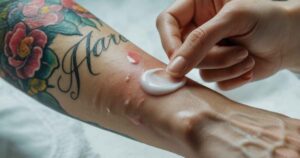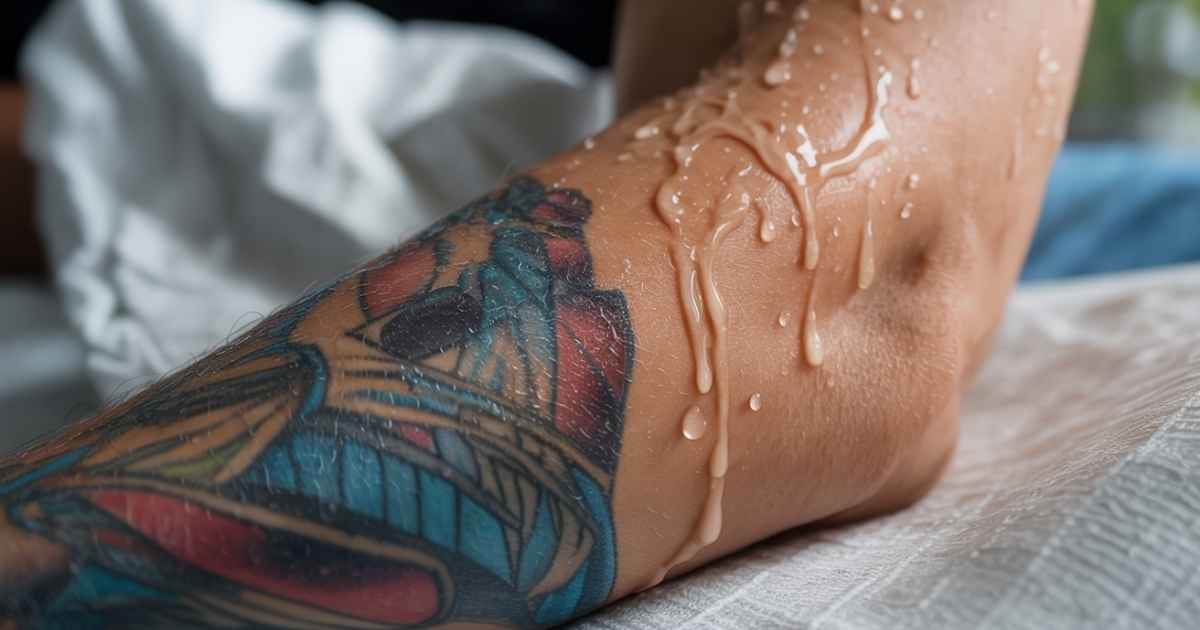
You just walked out of the tattoo studio. Your fresh ink looks absolutely stunning. Then reality hits what happens if you sweat? Will your investment survive summer heat or your next workout session?
Sweating doesn’t automatically destroy tattoos. However, excessive sweating during critical healing stages creates serious complications. Understanding the relationship between perspiration and tattoo recovery helps you protect your new artwork effectively.
How Sweating Impacts a New Tattoo
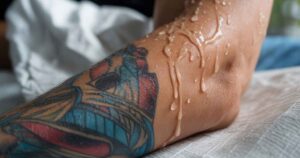
Fresh tattoos are open wounds requiring careful attention. Your body treats them like any injury. Sweat introduces moisture, bacteria, and irritating salts to vulnerable healing skin. The impact varies based on timing and intensity levels.
The first 48 hours represent the most critical window. Your skin barrier is completely compromised during this period. Heavy perspiration penetrates exposed dermal layers easily, interfering with natural scabbing processes essential for proper ink healing.
Timing matters tremendously for tattoo healing. Week one demands the strictest sweat management protocols. Weeks two through four show gradually decreasing vulnerability. Fully healed tattoos typically handle sweat normally after four to six weeks.
Sweat and the Tattoo Healing Process
Your body initiates complex biological responses immediately after tattooing. This healing process involves inflammation, cell regeneration, and scabbing. Excessive sweating disrupts each stage differently, potentially compromising your tattoo’s final appearance.
Plasma and lymph fluid naturally seep through fresh ink. White blood cells rush to the area. Skin begins forming protective scab layers while new cells generate underneath continuously. This delicate balance requires optimal moisture conditions.
Moisture impact becomes critical here. Excessive wetness softens and weakens protective scabs. Premature scab removal leads to patchy ink coverage and color fading. Bacteria thrive in warm, moist environments created by profuse sweating. The key is maintaining balance between hydration and dryness.
Healing Stages and Vulnerability to Sweat
Every tattoo progresses through predictable phases. Each stage presents different sweat-related challenges.
Days 1-3: Initial Wound Stage
- Plasma, blood, and ink leak continuously
- Skin remains extremely raw and sensitive
- Heavy perspiration creates bacterial breeding grounds
- Risk of infection peaks during this window
- Zero tolerance for intense exercise recommended
Days 4-7: Scabbing Phase
- Light scabs form over the tattoo
- Managing sweat becomes slightly easier gradually
- Premature peeling causes permanent color loss
- Skin irritation intensifies as healing accelerates
Days 8-14: Peeling Stage
- Dead skin flakes reveal fresh layers underneath
- Tattoo appearance looks dull or cloudy temporarily
- Light sweating becomes more tolerable now
- Continue monitoring for unusual reactions carefully
Weeks 3-6: Deep Healing
- Surface appears healed but layers regenerate deeply
- Sweat sensitivity decreases significantly each day
- Normal activities resume gradually with proper caution
Risks of Excessive Sweating on Fresh Ink
Heavy perspiration creates multiple problems for healing tattoos. Prolonged wetness prevents proper scab formation entirely. Over-hydrated skin becomes vulnerable to damage. Ink particles may migrate before settling properly.
Sweat contains proteins and salts bacteria consume readily. Warm, moist environments accelerate bacterial reproduction exponentially. Your skin’s natural pH changes when saturated. Compromised barriers allow bacterial invasion more easily.
Physical friction compounds these issues significantly. Wet skin rubbing against clothing creates additional trauma. Salt crystals from dried sweat cause microscopic abrasions. Itching intensifies when sweat irritates tissue. Scratching risks increase when discomfort becomes unbearable.
| Sweat Risk Factor | Impact on Healing | Prevention Strategy |
| Moisture Saturation | Prevents scab formation | Keep area dry consistently |
| Bacterial Growth | Increases infection threat | Clean thoroughly, avoid gyms |
| Salt Irritation | Causes skin annoyance | Rinse with clean water |
| Friction Damage | Removes protective scabs | Wear loose, breathable fabrics |
Potential Complications Caused by Sweating
When sweat management fails, several complications develop. Some create aesthetic issues while others demand medical intervention.
Visual complications include:
- Patchy areas where ink didn’t settle
- Uneven color distribution throughout the design
- Blurred lines from unwanted ink migration
- Faded sections requiring expensive touch-ups later
- Overall dull appearance versus the original vision
Medical complications may involve:
- Localized infections requiring immediate antibiotic treatment
- Prolonged inflammation lasting weeks beyond normal timelines
- Allergic reactions exacerbated by sweat contamination
- Scarring from severe infections or improper healing
⚠️ Warning: Watch for spreading redness, excessive heat, pus, or intensifying pain. These symptoms demand immediate medical attention.
Risk of Infection and Bacterial Growth
Infection represents the most serious complication. Your fresh tattoo invites bacteria inside your body. Sweat dramatically increases infection danger if not managed correctly.
Bacteria from skin, clothing, or environments enter wounds easily. Staphylococcus and Streptococcus are common culprits. Symptoms typically appear within 2-5 days post-tattoo.
Common bacterial sources include:
- Your own skin harboring billions naturally
- Gym equipment, weights, and contaminated mats
- Sweaty clothing becoming breeding grounds within hours
- Unwashed hands touching tattoos carelessly
- Pet environments carrying surprising bacterial loads
Recognize these infection symptoms immediately:
- Redness spreading beyond tattoo borders significantly
- Heat radiating from the area intensifying
- Thick yellow or green discharge oozing
- Fever, chills, or general malaise developing
- Swollen lymph nodes near the tattooed region
Delayed Healing and Color Fading
Even without infection, excessive sweating compromises tattoo quality. Constant moisture prevents scabs from forming properly. Skin can’t complete natural healing cycles efficiently.
Ink particles need stable dermis conditions for settling. Premature scab removal extracts ink before anchoring. Excessive moisture dilutes ink concentration within layers. Inflammation pushes particles away from intended locations.
The final result looks washed out. Your vibrant appearance fades to disappointing dullness. Touch-ups become necessary sooner than expected. Additional sessions mean more money and time invested unnecessarily.
Tattoo Aftercare and Managing Sweat
Effective perspiration handling starts with comprehensive new tattoo care knowledge. Proactive strategies prevent most sweat-related complications successfully.
Best Aftercare Practices
Follow your artist’s specific aftercare advice above everything. Clean gently but thoroughly two-three times daily. Apply thin moisturizer layers preventing over-saturation. Avoid water submersion during initial healing weeks.
The washing technique matters greatly:
- Use lukewarm water never hot extremes
- Pat never rub the area extremely carefully
- Rinse thoroughly ensuring no residue remains
- Air dry or use clean towels only
Moisturizing without over-hydrating requires precision:
- Wait until tattoo feels dry completely
- Use rice grain-sized amounts for palm-sized areas
- If tattoo feels greasy, you’ve applied excessively
Keep It Clean and Stay Hydrated
Two foundational principles work synergistically together. Cleanliness prevents contamination while hydration supports the healing process internally.
Change bedsheets every 2-3 days initially. Wear freshly laundered clothing against tattooed areas exclusively. Keep pets away from fresh ink completely.
Internal hydration provides numerous benefits:
- Water intake directly impacts skin regeneration speed
- Hydrated skin repairs itself faster completely
- Adequate fluids flush toxins from tissues
- Aim for eight glasses daily minimum
- Increase intake after any sweating episodes
Choosing Breathable Clothing and Fabrics
Clothing choices significantly impact sweat accumulation. The right fabrics wick moisture away efficiently.
Fabric types that help tremendously:
- Cotton remains the gold standard always
- Moisture-wicking synthetic blends work excellently
- Bamboo fabrics offer natural antimicrobial properties
- Loose weaves allow maximum air circulation
Fit considerations are equally important:
- Loose clothing prevents friction against healing
- Tight garments trap sweat and heat
- Choose items not requiring constant adjustment
- Consider placement when selecting daily outfits
Activities to Avoid During Tattoo Healing
Certain activities guarantee profuse sweating and complications. Temporarily avoiding them protects your investment.
High-risk activities include:
- Intense cardiovascular exercise generating heavy perspiration
- Contact sports risking physical trauma simultaneously
- Swimming in any bodies of water
- Hot yoga or heated workout environments
- Any activity making you sweat heavily
Intense Exercise and Light Exercise
Exercise lovers struggle most with restrictions. Understanding intensity differences helps maintain fitness safely.
Week-by-week exercise guidelines:
- Week 1: Avoid all sweat-producing exercise
- Week 2: Light walks and stretching only
- Week 3: Moderate activity avoiding direct strain
- Week 4: Resume most activities with monitoring
- Week 5+: Return to normal routines gradually
Modification strategies that work:
- Work non-tattooed body areas maintaining fitness
- Exercise in air-conditioned spaces minimizing sweat
- Shorter sessions reducing overall sweat volume
- Cool-down periods allowing sweat evaporation time
- Immediate cleaning after sessions without exception
Exposure to Saunas and Sunlight
Heat sources beyond exercise create additional challenges. Saunas and sun exposure rank among top threats.
Extreme sauna heat opens pores and increases sweating exponentially. Humid environments keep tattoos constantly saturated. Twenty minutes undoes weeks of careful aftercare advice implementation.
Sunlight’s damaging effects are equally serious. UV rays penetrate healing skin causing cellular damage. Fresh tattoos sunburn faster than normal skin significantly. Sun exposure causes premature fading destroying your vibrant look.
The Science Behind Sweat and Tattoo Healing
Understanding biology behind sweat empowers better decisions. Needles deposit ink into the dermis layer specifically. This layer sits below the epidermis’s protective barrier.
How Sweat Glands Affect New Tattoos
Your skin contains millions of sweat glands working constantly. Tattoo needles damage these glands during inking.
Eccrine glands cover most body surfaces producing watery sweat. Two to four million glands exist across your entire body. Damaged glands leak sweat beneath skin temporarily. This contributes to excess moisture during early recovery process.
Sweat Composition and Its Effects
Sweat isn’t just harmless water evaporating. Complex chemical composition creates multiple healing obstacles simultaneously.
Sodium chloride comprises most dissolved solids. Salt draws moisture from surrounding tissues. This drying effect can crack fragile skin. Stinging sensations result from salt contacting raw tissue.
Proteins and amino acids in sweat feed bacteria. Lactic acid creates nutrient-rich environments for growth. The combination of nutrients, moisture, and warmth is perfect for bacterial colonization.
Frequently Asked Questions
How long after getting a tattoo can you sweat?
Wait at least two weeks before any heavy sweating occurs.
What should you avoid after getting a tattoo?
Avoid swimming, saunas, direct sunlight, tight clothing, and intense exercise.
How long after getting a tattoo can you workout?
Wait minimum two weeks before resuming any intense workout sessions.
Can sweat make your tattoo fade?
Yes, excessive sweat during healing causes premature fading and damage.
Conclusion
Does sweating ruin a tattoo permanently? Not necessarily, but it creates significant challenges. Fresh tattoos need protection from excessive moisture always. Heavy perspiration during the first two weeks risks infection and color fading issues.
Understanding healing stages helps you adjust activities appropriately. Recognize infection symptoms and seek help promptly. Choose breathable fabrics and loose clothing consistently. Avoid intense exercise, saunas, and sun completely initially.
Your tattoo represents personal investment in art. Protecting it during healing ensures lasting beauty. Most people heal perfectly with basic precautions. A few weeks of careful management guarantees decades of stunning ink. Your temporary sacrifice protects your permanent investment completely.
Listen to your body’s signals throughout recovery. Monitor your tattoo appearance daily and adjust accordingly. Share your healing experiences and help others navigate their journeys successfully.