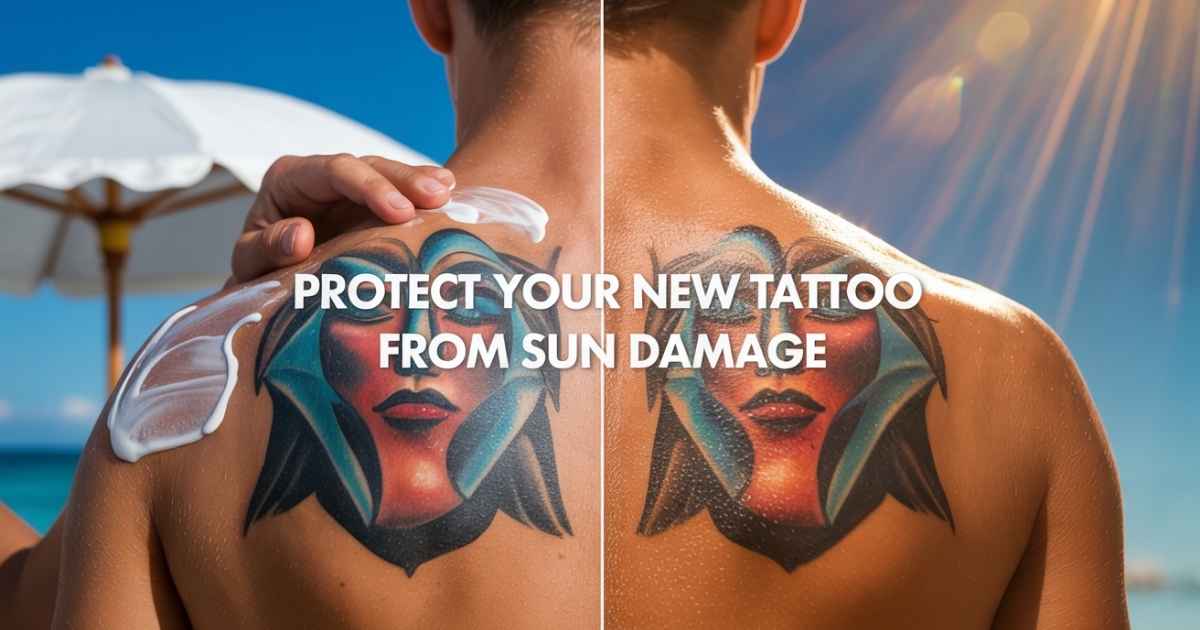
You just walked out of the tattoo parlor with fresh ink decorating your skin. Summer’s calling your name, but can you actually tan with a new tattoo? The short answer: absolutely not during healing. Let me explain why sun exposure threatens your new body art and when tanning becomes safe again.
Understanding the Tattoo Healing Process
Your tattoo isn’t just pretty artwork it’s essentially an open wound requiring careful attention. The tattoo healing process unfolds in distinct phases, each presenting unique vulnerabilities to UV rays and sunlight exposure. Understanding these tattoo recovery stages helps you protect your investment properly.
Stages of Tattoo Healing
Week 1 brings inflammation, oozing, and tenderness. Your skin resembles a fresh sunburn during this critical phase of healing. The wound’s extreme sensitivity makes any sun tanning tattoo attempt downright dangerous. Even brief UV exposure causes severe complications now.
Weeks 2-3 introduce the infamous itchy, flaky period. Scabbing and peeling dominate this tattoo scabbing stage. Your compromised skin barrier can’t defend against harmful sun rays. The temptation to resume tanning activities intensifies, but resistance remains crucial.
Weeks 3-4 show a deceptively healthy appearance. That silvery sheen means new skin layers are developing underneath. However, deeper dermal tissues continue healing beneath the surface. Your tattoo still isn’t ready for UV bed exposure or natural sunlight.
Weeks 4-6+ mark deep tissue recovery. Visible healing doesn’t equal complete healing. The tattoo heal time extends beyond what your eyes perceive. Most artists recommend waiting a full six weeks minimum before considering any tan after tattoo sessions.
Signs Your Tattoo Is Not Fully Healed
Watch for these telltale indicators:
- Persistent redness surrounding the design
- Tenderness when touching the area
- Raised or bumpy texture
- Remaining scabs or flaking skin
- Shiny, tight feeling across artwork
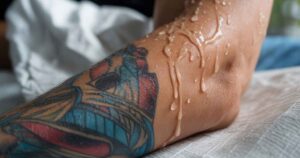
- Occasional moisture or weeping
Any of these symptoms mean zero sun exposure period. Ignoring these warnings invites infection, scarring, and permanent color loss. The risks of tanning during incomplete healing far outweigh temporary bronze appeal.
How Healing Impacts Color and Design
UV rays interact destructively with unstable ink molecules during tattoo skin repair. Different pigments show varying vulnerabilities to sun damage. Reds and yellows fade fastest under sunlight exposure. Blacks and dark blues demonstrate better resilience, while pastels practically vanish after premature UV complications.
Blurred lines result from improper healing under sun. Patchy areas emerge where pigment didn’t set correctly. Your beautiful artwork ages prematurely, requiring costly touch-ups from preventable tanning harm.
Risks of Tanning With a New Tattoo
Potential Damage From Sun Exposure
Severe sunburn strikes compromised skin with vengeance. Tattooed areas burn faster than normal skin, potentially causing second-degree burns. Pain intensifies while healing delays extend significantly.
Infection risks skyrocket when sun exposure introduces bacteria to open wounds. Warning signs include pus, excessive swelling, and fever. Some infections require antibiotics or hospitalization hardly worth the tan.
Blistering and scarring permanently alter your tattoo’s appearance. Scars don’t hold ink properly. This damage proves nearly impossible to correct, even with expert touch-up work.
How UV Rays Affect Healing Tattoos
UV rays penetrate absent protective skin layers during healing. Both UVA and UVB radiation trigger additional inflammatory responses. Your body redirects healing resources from tattoo recovery to sun damage repair instead.
Photodegradation breaks down ink molecules at the cellular level. This process accelerates dramatically in healing skin lacking its normal defenses. Fresh tattoos face exponentially higher tattoo tanning risks than healed artwork.
Essential Tattoo Aftercare Before Sun Exposure
Protecting Your Tattoo With Bandages
Keep your artist’s initial bandage on for their recommended duration usually 24-48 hours. Modern second-skin products like Saniderm create moisture-retaining, bacterial barriers with UV protection built in.
When outdoor activities become unavoidable, use breathable sterile gauze secured with medical tape. Never use plastic wrap long-term or household adhesives. Change coverings regularly to prevent bacteria buildup.
Your best defense? Clothing. Dark-colored, tightly-woven, loose-fitting fabrics block UV most effectively. Consider investing in UPF-rated clothing for maximum tattoo protection during healing care.
Moisturizing and Using Aquaphor
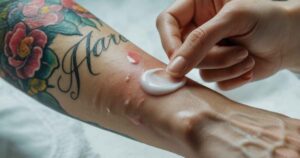
Proper moisture maintains skin barrier integrity while supporting tattoo aftercare needs. Aquaphor stands as the gold standard for post tattoo care during week one. Apply thin layers 2-3 times daily less truly is more here.
After week two, transition to fragrance-free, unscented lotion containing cocoa butter, shea butter, or vitamin E. Continue moisturizing throughout your after tattoo routine to prevent dryness that amplifies UV vulnerability.
Avoid these moisture mistakes:
- Coconut oil (clogs pores)
- Heavily perfumed lotions
- Products with SPF during initial healing
- Petroleum jelly after the first week
Cleaning With Mild Soap
Regular cleaning prevents infection during vulnerable healing phases. Use fragrance-free, pH-balanced liquid soaps like Dial Gold or Cetaphil. Wash hands first, then gently massage lukewarm water and soap across the tattoo. Rinse thoroughly and pat dry with clean paper towels.
Clean 3-4 times daily during days 1-3. Reduce to 2-3 times daily through day 14. Proper cleanliness strengthens your tattoo’s natural resistance to environmental damage, including sun-related issues.
Safely Returning to Tanning After a Tattoo
When It’s Safe to Tan Again
The minimum waiting period spans 4-6 weeks, though larger, more complex pieces often require longer. Individual factors affecting your tattoo heal time include:
| Factor | Impact on Healing |
| Tattoo size | Large pieces need 6+ weeks |
| Placement | High-movement areas heal slower |
| Age/health | Younger, healthier bodies recover faster |
| Lifestyle | Smoking/drinking delays healing |
Before resuming tanning activities, verify your tattoo feels identical to surrounding skin no raised areas, tenderness, or shine. Schedule a follow-up appointment with your artist for professional verification. Adding an extra week never causes harm, but premature tanning new ink causes irreversible damage.
Choosing and Applying Sunscreen
Even fully healed tattoos demand lifelong UV protection. Broad-spectrum sunscreen with SPF 50+ becomes non-negotiable for preventing tattoo fading and maintaining color vibrancy.
Physical zinc sunscreen containing zinc oxide or titanium dioxide sits on skin surfaces, reflecting UV rays immediately upon application. Chemical formulas absorb into skin, neutralizing radiation after 15-20 minutes. Both types offer UV protection choose based on personal preference.
Application technique matters enormously:
- Apply 15-30 minutes before sun exposure
- Use approximately one ounce (shot glass full)
- Concentrate generous amounts on tattooed areas
- Reapply every 80 minutes minimum
- Reapply immediately after swimming or sweating
Quality high SPF sunscreen costs less than professional touch-ups from sun damage. Consider it essential tattoo maintenance rather than optional care.
Tips to Prevent Fading and Irritation
Smart sun habits protect your artistic investment indefinitely. Avoid sunlight exposure between 10 AM and 4 PM when UV rays peak. Start with brief 15-20 minute sessions, gradually increasing over several weeks.
Seek shade aggressively using umbrellas, canopies, or natural cover. Rotate positions to maximize protection. Remember shade reduces but doesn’t eliminate UV exposure entirely.
Stay hydrated before, during, and after sun time. Well-hydrated skin resists the fading of the tattoo better than dehydrated tissue. After sun exposure, cleanse gently and apply intensive moisturizer immediately.
Consider spray tan alternatives as genuinely safer options. Apply self-tanner or gradual tan lotion carefully around tattooed areas. Modern tanning lotions and fake tan near tattoo products provide bronze glow without UV risks. Self tanning product technology has improved dramatically you can achieve beautiful color while safeguard ink remains vibrant.
Common Mistakes and What to Avoid
Picking at Scabs and Relieving Itching
Scabs protect healing tattoos like natural bandages containing trapped ink particles. Removing them prematurely pulls out pigment, creating patchy color distribution. Picked areas show worse fading after UV exposure later.
Itching peaks during weeks 2-3 as new skin grows. Safe relief methods include:
- Gentle slapping or patting instead of scratching
- Cold compresses for 10-15 minute intervals
- Reapplying recommended moisturizer
- Wearing gloves at night if necessary
Never use hydrocortisone cream, antihistamine creams, or numbing products. These disrupt tattoo skin repair and mask potential infection symptoms.
Dangers of Using Neosporin
Despite being marketed for wound care, Neosporin causes significant tattoo problems. The neomycin ingredient triggers frequent allergic reactions appearing as red, itchy rashes. Worse, Neosporin literally draws ink from skin, creating permanent lighter patches requiring expensive touch-ups.
Many artists won’t warranty work if you’ve used Neosporin it violates care instructions explicitly. Stick with Aquaphor during week one and fragrance-free lotion afterward. Proper products cost less than fixing Neosporin damage.
Mixing Tattoo Care With Piercing Aftercare
People often confuse tattoo and piercing aftercare routines. These modifications heal differently and require distinct approaches. Saline solution perfect for piercings dries tattoos excessively. Heavy ointments ideal for tattoos clog piercing channels.
When healing both simultaneously, use separate clearly-labeled products. Establish distinct care schedules and wash hands between caring for each. Consult both your piercer and tattoo artist for specific care instructions.
Conclusion
Can I tan with a new tattoo? Absolutely not during the 4-6 week healing period. Your fresh ink represents significant financial and emotional investment. Don’t sabotage that artwork with premature sun exposure or indoor tanning sessions.
Follow aftercare instructions religiously. Verify complete healing before resuming any tanning activities. Invest in quality UV blocker products and adopt strategic sun habits permanently. Your future self will thank present-day you when that tattoo still looks stunning decades from now.
Consider spray tan tattoo alternatives during healing modern self-tanner delivers bronze glow without UV complications. The temporary sacrifice protects your permanent body art beautifully.