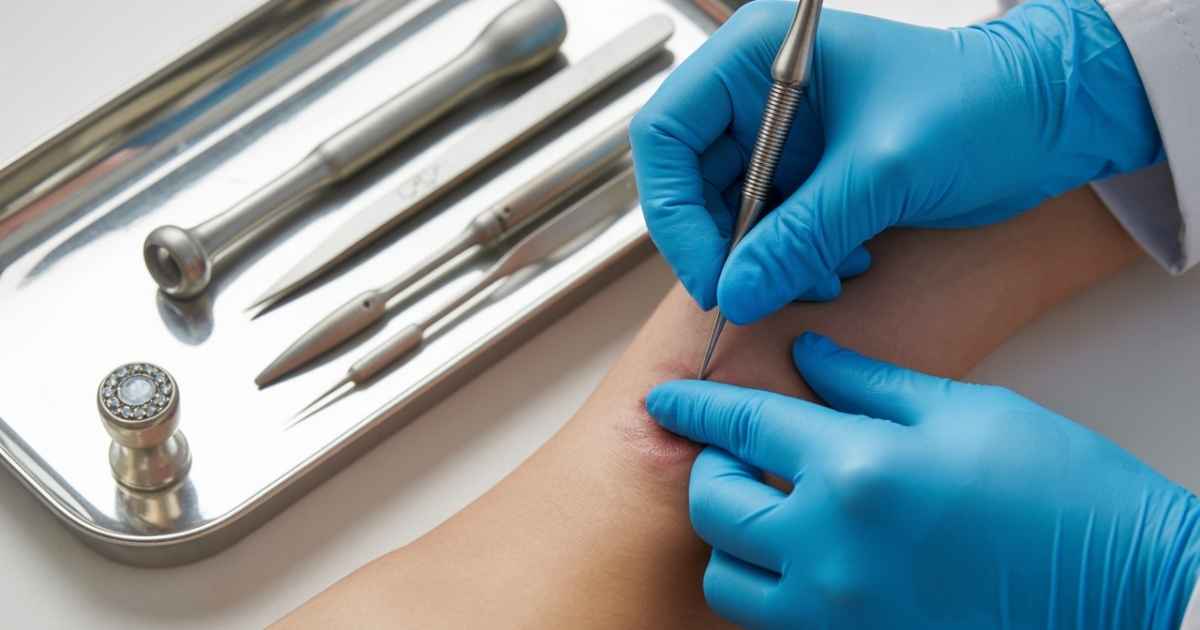
Ever wondered how those stunning single-point piercings work? Dermal piercings have exploded in popularity across America. They create eye-catching effects without traditional exit holes. This guide breaks down exactly how dermal piercings are done professionally.
What Exactly Is a Dermal Piercing?
Dermal piercings represent a unique form of body modification. Unlike traditional piercings, they use only one attachment point. A small dermal anchor sits beneath your skin’s surface. The visible jewelry top screws into this hidden base.
The anchor typically uses surgical steel or titanium. These materials prevent allergic reactions and promote healing. The entire system creates a flush, elegant look against your skin.
Think of it like an iceberg. You see the beautiful gemstone on top. But the real magic happens underneath where the anchor secures everything.
How Is a Dermal Piercing Different from Other Piercings?
Traditional body piercings need entry and exit points. A barbell passes completely through tissue. Dermal piercings work totally differently.
They anchor beneath skin at a single spot. No exit point exists at all. This opens up incredible placement possibilities across your body. You can pierce areas impossible with standard methods.
| Feature | Traditional Piercings | Dermal Piercings |
| Entry/Exit Points | 2 points required | 1 point only |
| Jewelry Type | Barbells, hoops | Topped anchors |
| Removal Complexity | Simple | Professional required |
| Healing Time | 6-12 weeks | 3-6 months |
| Rejection Risk | Lower | Moderate to high |
The piercing procedure itself differs dramatically too. Standard piercings use hollow needles. Dermals require tissue removal or pocket creation. This makes professional expertise absolutely essential.
Surface Piercings vs. Dermal Piercings
Many people confuse surface piercings with dermal work. Both create flat aesthetic effects. However, fundamental structural differences separate them completely.
Placement and Structure
Surface piercings thread barbells through skin folds. Two external points remain visible always. The jewelry sits at a 90-degree angle beneath skin.
Dermal anchors embed completely under one skin point. Only the jewelry top shows externally. This creates a cleaner, more minimal profile.
Procedure
The piercing process varies significantly between types. Surface work uses standard hollow needle techniques. Dermals require a dermal punch or specialized pocket creation. The anchor insertion adds complexity you won’t find in traditional piercings.
Healing Process
Surface piercings typically heal faster initially. But they face higher rejection rates long-term. The body often pushes barbells toward skin surfaces.
Dermal healing process takes 3-6 months minimum. Once settled though, they’re generally stable. Proper piercing aftercare makes all the difference here.
Flexibility
Changing jewelry options differs between styles. Surface barbells require complete removal and replacement. Dermal tops simply unscrew for quick swaps. This makes customization much easier with dermals.
How Are Dermal Piercings Done? (Step-by-Step Process)
Understanding the piercing procedure reduces anxiety significantly. Professional piercers follow strict protocols for safety. Never attempt dermal work at home yourself. The risks simply aren’t worth it.
A typical appointment lasts 20-30 minutes total. Let’s break down exactly what happens.
Preparation and Sterilization
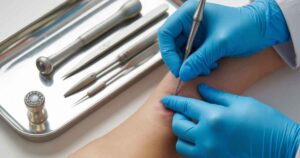
Your piercer begins by thoroughly scrubbing their hands. Medical-grade gloves go on before touching anything. The chosen skin area gets cleaned with antiseptic solution.
All tools sit on a sterile surface. The dermal anchor and jewelry arrive pre-sterilized. Reputable studios use autoclave equipment for this. If your area needs shaving, that happens now.
APP-certified piercers follow the strictest safety standards. Always verify certification before your appointment. Your health depends on proper sterilization protocols.
Marking the Placement
Your piercer consults you about exact piercing placement. They’ll mark the spot with surgical marker. You review positioning in a mirror carefully.
Adjustments happen until you’re completely satisfied. Placement determines your dermal’s long-term success rate. Take your time with this decision. Once marked and approved, the actual work begins.
Creating the Pocket or Punch
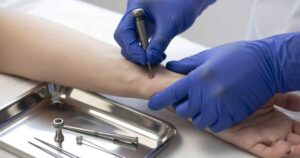
Two methods exist for creating anchor space. The dermal punch removes a tiny tissue circle. This quick technique creates immediate room for insertion.
Alternatively, piercers use needle techniques. They create L-shaped pockets beneath skin surfaces. This separates tissue rather than removing it.
Piercing pain varies by individual tolerance levels. Most report a sharp, momentary sensation. Some piercers apply numbing cream beforehand. The discomfort level remains manageable for most people.
The incision tool size typically measures 1.5-2mm. Bleeding stays minimal with proper technique. Immediate pressure controls any blood flow quickly.
Inserting the Anchor
The dermal anchor slides gently into place. No forceful pushing should ever occur here. The base sits flat beneath your dermal layer. The post protrudes through the skin opening naturally.
Proper depth proves critical for stability. Too shallow causes rejection problems later. Too deep creates jewelry positioning issues. Experienced piercers nail this placement instinctively.
Your skin anchor should feel secure but not tight. The surrounding tissue will grow around it. This natural body adaptation takes several months.
Securing the Jewelry
The visible jewelry top threads onto your anchor post. Hand-tightening prevents loosening during initial healing. But over-tightening causes problems with swelling accommodation.
Your piercer checks final aesthetic alignment carefully. They clean any residual blood from the area. Written care instructions go home with you. Follow-up appointments get scheduled if needed.
You’ll learn proper piercing aftercare techniques before leaving. This knowledge protects your investment and health.
Which Body Areas Are Commonly Chosen for Dermal Piercings?
Placement options seem almost limitless with dermals. However, some locations work better than others. Skin thickness and movement affect success rates.
Popular body modification spots include:
- Cheekbones and face – Creates dramatic “dimple” effects elegantly
- Chest and collarbone – Highlights necklines with stunning symmetry
- Back and shoulders – Perfect for corset patterns
- Neck area – Visible with updo hairstyles beautifully
- Hands and fingers – Replaces traditional rings sometimes
- Arms and wrists – Forearm placements stay highly visible
Avoid high-movement areas when possible. Joints and frequently flexed spots increase rejection likelihood. Thin skin locations heal less successfully overall.
Facial dermals dominate current American trends. The aesthetic modification creates unique personal expression. Placement flexibility exceeds conventional piercing limitations completely.
Dermal Piercings Are Worth It
Thousands of Americans choose dermal piercings annually. The unique aesthetic proves impossible with standard methods. Customization choices remain virtually limitless through jewelry swaps.
Key benefits include:
- Placement flexibility surpasses traditional body piercings completely
- Minimal jewelry profile sits flush beautifully
- Jewelry changes happen quickly once healed
- Self-expression through permanent yet removable modification
- Growing mainstream acceptance across American culture
However, realistic expectations matter here. The healing process demands patience and diligent care. Rejection remains possible despite perfect maintenance. Professional removal by certified piercers prevents excessive scarring.
Cost considerations vary by location nationwide. Expect $70-$150 per dermal in most areas. Quality jewelry options cost extra depending on materials. Gemstones and precious metals increase prices accordingly.
Annual checkups help ensure long-term anchor stability. Think of dermals as investments in yourself. Proper care yields beautiful, lasting results.
Conclusion
Now you understand exactly how dermal piercings are done professionally. The piercing process requires skill, precision, and sterile conditions. Never trust anyone without proper certification and experience.
Research reputable piercers in your area thoroughly. Review portfolios of healed dermal work carefully. Ask questions about their anchor insertion techniques. Trust your instincts about studio cleanliness always.
Proper piercing aftercare determines your final outcome significantly. Follow all healing instructions religiously during recovery. The wound care period tests your commitment absolutely.
Beautiful, unique results await those who invest wisely. Body modification continues growing as mainstream personal expression. Dermal piercings offer stunning possibilities for aesthetic enhancement.