Dermal piercings have revolutionized body modification in America. Unlike traditional piercings, these anchor jewelry pieces sit beneath your skin’s surface. They create stunning visual effects that standard piercings simply can’t match.
You’ve probably seen them sparkling on cheekbones. Maybe you’ve admired them decorating collarbones or hips. These semi-permanent piercings offer incredible versatility for self-expression.
This guide covers everything about dermal piercings. You’ll learn about the piercing process, aftercare tips, and what makes them special. Let’s dive into this fascinating body modification option.
What Are Dermal Piercings?
Dermal piercings represent a unique form of body jewelry. They use a single entry point instead of two. The dermal anchor sits beneath your skin while the dermal jewelry top remains visible.
Think of them as surface piercings with staying power. An anchor jewelry base gets inserted into your dermal layer. Then a decorative gemstone top screws onto the anchor. The result? A floating gem that appears magical.
People also call them microdermals or skin anchors. They’ve gained massive popularity across the USA recently. Why? Because they work on virtually any flat surface.
Key components include:
- The anchor base (sits under skin)
- The connecting post (bridges skin layers)
- The jewelry top (your visible decoration)
These long-lasting piercings offer more placement options than traditional ones. You’re not limited to ears or noses anymore.
How Do Dermal Piercings Differ from Other Piercings?
Traditional piercings require entry and exit points. Dermal piercings only need one point. This fundamental difference changes everything about placement possibilities.
Standard piercings must go through existing anatomy. Your ear needs natural channels for jewelry. But anchor jewelry can sit almost anywhere flat. This opens up creative placement options dramatically.
| Feature | Traditional Piercings | Dermal Piercings |
| Entry Points | Two required | Single point only |
| Placement | Limited anatomy | Nearly anywhere flat |
| Visibility | Both ends show | Only top visible |
| Removal | Simple slide-out | Professional extraction needed |
| Healing Duration | 6-12 weeks typical | 1-3 months standard |
Surface piercings differ from dermals too. Surface bars go horizontally under skin. They’re more prone to rejection. Dermal anchors integrate more securely into tissue.
The implant piercing design makes rejection less likely. Your body accepts the anchor better. Proper placement by an expert piercer ensures longevity.
The Anatomy of Dermal Piercings
Understanding dermal piercing body structure helps you care properly. Three main components work together seamlessly. Each part serves a crucial function.
The anchor base resembles a tiny flat plate. Small holes allow tissue to grow through. This anchor insertion creates secure attachment. Materials include titanium and surgical steel options.
The post connects anchor to jewelry. It bridges between skin layers carefully. Proper depth prevents migration and rejection issues.
Your decorative piercing top screws onto this post. Options include gems, spikes, or simple studs. You can change screw-on jewelry once healed.
Important considerations:
- Piercing base depth affects healing success
- Tissue integration takes several weeks
- High-quality materials prevent infection risk
- Anatomical placement impacts longevity significantly
Common Placement Areas of Dermal Piercings
Dermal piercing placement offers incredible creative freedom. Popular body piercing spots include faces and torsos. Each location creates different aesthetic effects.
Facial placements create drama:
- Cheekbone skin piercings highlight bone structure
- Anti-eyebrow positions provide edgy looks
- Third eye spots offer spiritual vibes
Body locations offer versatility:
- Chest piercing between breasts looks elegant
- Collarbone placements complement necklines beautifully
- Hip dermals accentuate natural curves
- Hand piercing creates unique statements
High-movement areas increase rejection risk though. Your piercing location should minimize constant friction. Clothing contact affects certain skin areas negatively.
An expert piercer helps determine ideal spots. They assess your anatomy and lifestyle. Professional guidance ensures better extended wear piercings results.
How Are Dermal Piercings Done?
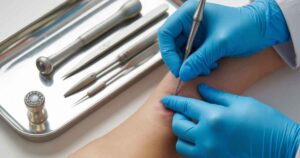
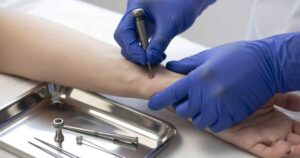
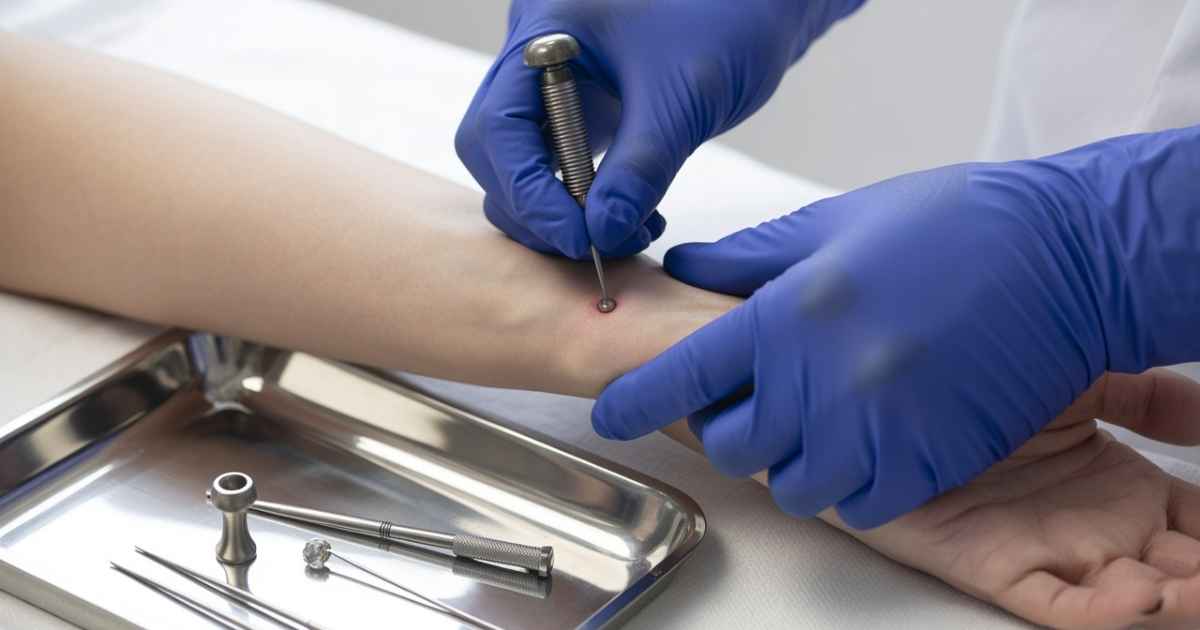
The dermal piercing procedure requires professional expertise. Never attempt this at home yourself. Piercing instruments demand sterile techniques and proper training.
Step-by-step process:
- Consultation establishes your body jewelry placement desires
- Marking ensures perfect positioning beforehand
- Area gets cleaned with medical-grade solution
- Dermal punch or needle technique creates opening
- Anchor insertion happens with specialized forceps
- Piercing top screws onto installed anchor
- Immediate aftercare tips get explained thoroughly
Two main piercing steps methods exist. The dermal punch removes small tissue circles. It creates space for anchor placement. The needle technique parts tissue without removing it.
Sterilized tools prevent piercing bacteria introduction. Your expert piercer uses single-use piercing instruments. This infection prevention practice protects your health.
The entire piercing process takes minutes. Most clients describe brief pinch sensation only. Dermal piercing pain remains quite manageable.
What Is the Healing Process of a Dermal Piercing Like?
Dermal piercing healing follows predictable stages. Understanding piercing recovery helps you recognize normal progress. The healing process typically spans 1-3 months.
Week 1-2 brings initial responses:
- Minor redness appears completely normal
- Slight swelling subsides within days
- Some tenderness remains expected
- Crusty discharge forms around jewelry
Week 3-4 shows active healing:
- Inflammation decreases noticeably each day
- Skin irritation reduces gradually but steadily
- New tissue begins forming around anchor
- Wound care becomes easier daily
Month 2-3 completes integration:
- Surface appearance improves dramatically
- Anchor becomes securely embedded
- Piercing duration of tenderness ends
- Your semi-permanent piercing feels comfortable
Warning signs requiring attention:
- Excessive swelling that worsens daily
- Green discharge indicates piercing bacteria
- Severe pain level increases unexpectedly
- Anchor begins visibly pushing outward
These symptoms suggest dermal piercing infection concerns. Contact your piercer or doctor immediately.
Aftercare Tips for a Dermal Piercing
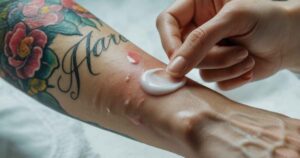
Proper piercing aftercare determines healing success. Cleaning piercings correctly prevents infected piercing signs. Follow these healing tips religiously for best results.
Daily cleaning routine:
- Wash hands before touching area
- Apply saline solution spray generously
- Gently remove crusty buildup carefully
- Pat dry with clean paper towels
Essential piercing maintenance practices:
- Clean twice daily without exception
- Use sterile wound wash only
- Never rotate or twist jewelry
- Avoid touching with dirty hands
Products for infection prevention:
- Sterile saline solution (recommended strongly)
- Fragrance-free antimicrobial soap
- Clean paper towels (never cloth)
- Latex-free gloves for protection
Absolute don’ts during healing:
- Skip alcohol-based products completely
- Avoid swimming in pools or lakes
- Don’t sleep directly on piercing
- Never use harsh chemicals nearby
Your wound care commitment affects longevity. Proper aftercare tips prevent piercing complications effectively. Most dermal piercing infection cases stem from neglect.
How Long Do Dermal Piercings Last?
Dermal piercings aren’t technically temporary piercings. They’re better described as long-lasting piercings. Lifespan depends on multiple factors significantly.
Placement affects durable piercings duration:
- Protected spots last much longer
- High-movement areas face earlier rejection
- Facial locations often endure 5+ years
- Chest piercing positions show excellent longevity
Care quality determines success:
- Proper piercing maintenance extends lifespan dramatically
- Neglect causes early migration frequently
- Regular jewelry checks prevent problems
- Professional follow-ups help significantly
Individual body factors matter:
- Skin type affects anchor integration
- Immune responses vary between people
- Activity levels impact stability
- Age influences tissue elasticity
Average duration ranges:
- Well-maintained: 5-7 years minimum typically
- Moderate care: 2-4 years commonly
- Poor placement/care: 6 months or less
These extended wear piercings require commitment. Your dedication to aftercare tips makes difference.
Can Dermal Piercings Be Permanent?
Semi-permanent piercings describe dermals more accurately. No body modification lasts forever truly. Your body might eventually reject anchor jewelry naturally.
Removal becomes necessary when:
- Body begins rejecting anchor gradually
- Dermal piercing infection requires intervention
- Lifestyle changes demand removal
- Personal preferences shift over time
Professional removal minimizes scarring significantly. Never attempt DIY extraction yourself. Small circular scars typically remain afterward. These fade considerably over several months.
Non-permanent piercings offer flexibility ultimately. You’re not committed permanently necessarily. But with proper care, they last years.
Go For That Cool Dermal Piercing You’ve Been Thinking About
Ready to try skin piercings yourself? Finding qualified professionals matters tremendously. Research local APP-certified piercers thoroughly.
Questions to ask piercers:
- How many dermal piercing procedures performed?
- What piercing instruments and techniques used?
- What’s your jewelry quality standards?
- How do you handle piercing complications?
Budget planning considerations:
- Initial procedure: $70-$150 typically
- Quality body jewelry: $30-$100 additional
- Aftercare tips supplies: $15-$30 estimated
Choose an expert piercer with proven experience. Check portfolios and read reviews carefully. Your safety depends on professional expertise.
Can You Sleep on a Dermal Piercing?
Absolutely avoid sleeping on fresh dermal piercings. Pressure causes migration and rejection quickly. The first 6-8 weeks remain most critical.
Use travel pillows with strategic cutouts. Rolled towels create safe sleeping zones. Multiple pillows prop you correctly overnight.
After complete dermal piercing healing finishes? Occasional pressure becomes generally tolerable. Still avoid consistent nightly pressure though.
Can You Change the Jewelry Yourself?
Wait until piercing recovery completes fully first. Professional changes remain safest for beginners. Once healed, DIY changes become possible.
Safe changing requires:
- Complete healing (3+ months minimum)
- Meticulously washed hands beforehand
- High-quality replacement screw-on jewelry only
- Gentle unscrewing prevents anchor damage
Never force stuck piercing top pieces. This damages surrounding tissue significantly. When uncertain, visit your expert piercer instead.
Do Dermal Piercings Hurt More Than Other Piercings?
Dermal piercing pain falls somewhere mid-range. They hurt less than nipple piercings. But they’re more intense than earlobes.
Most describe sharp pinch sensation lasting seconds. Brief burning may follow during anchor insertion. Overall piercing discomfort remains quite manageable.
Pain comparison breakdown:
- Less painful: Standard earlobes, basic nostril
- Similar level: Eyebrow, septum piercings
- More painful: Nipples, genital piercings
Pain level varies between individuals significantly. Your personal tolerance affects experience dramatically. An expert piercer makes procedures less uncomfortable.
Deep breathing helps tremendously during procedure. Avoid caffeine beforehand for calmer nerves. Bring supportive friends for emotional comfort.
Conclusion
Dermal piercings offer stunning body modification options. These semi-permanent piercings provide incredible placement versatility. From face piercing to chest piercing locations, possibilities abound.
Success requires commitment to piercing aftercare practices. Daily cleaning piercings with saline solution prevents problems. Choose an expert piercer with proven experience.
Understanding the dermal piercing procedure reduces anxiety. Knowing about dermal piercing healing stages helps recognition. Proper wound care ensures your anchor jewelry lasts years.