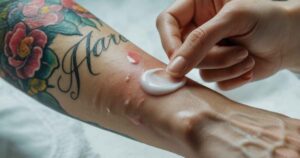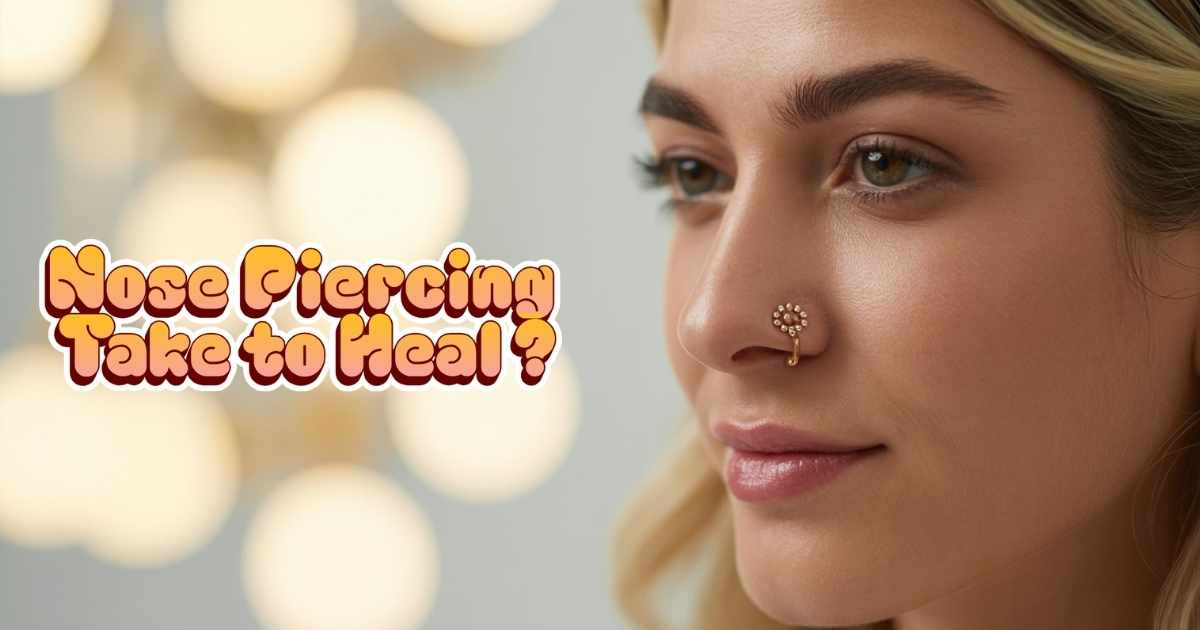
Getting a nose piercing is exciting. But the real journey begins after you leave the professional piercing studio. Understanding nose piercing healing time prevents frustration and ensures your new body art thrives beautifully.
Understanding Nose Piercing Healing Time
Nose piercing recovery isn’t instant magic. Your body constructs entirely new tissue around the jewelry a complex biological process requiring patience and dedication.
What Influences Healing Times
Individual biology determines everything. Your age, metabolism, and immune system strength directly impact healing a piercing successfully. Younger folks typically experience faster wound healing piercing outcomes than older adults.
Lifestyle choices matter tremendously too. Smoking restricts blood flow, dramatically extending piercing recovery time. Sleep quality affects cellular repair mechanisms. Nutritional status especially vitamin C, zinc, and protein fuels tissue regeneration. Stress hormones can slow the entire healing process significantly.
Differences Between Nose Piercings
Not all types of nose piercings heal identically:
- Nostril piercing: 4-6 months complete healing
- Septum piercing: 6-8 weeks (faster due to rich blood supply)
- Bridge piercing: 8-12 weeks with higher rejection risk
- High nostril: 6-9 months because of cartilage involvement
- Nasallang piercing: 4-6 months minimum for full recovery
Cartilage heals slower than soft tissue universally. Blood flow to the specific area directly correlates with your piercing timeline and overall success rate.
Initial Healing Vs. Complete Healing
Here’s where people stumble constantly. Initial healing makes your piercing look healed externally after 2-3 months. Complete healing means internal tissue has fully matured and stabilized the true finish line.
Surface appearances deceive many into premature jewelry changes. The fistula (piercing channel) needs time strengthening internally, even when looking perfect outside. Changing jewelry too soon restarts the healing clock entirely, causing trauma and prolonged discomfort.
Healing Stages and Timeline
Your nose piercing progresses through distinct developmental phases, each requiring specific attention for optimal aftercare healing.
Healing Stages Overview
The stages of healing piercing follow predictable patterns:
| Stage | Timeframe | Key Characteristics |
| Inflammatory | Days 1-7 | Redness, swelling, tenderness |
| Proliferative | Weeks 1-4 | New tissue formation accelerates |
| Maturation | Months 2-6+ | Tissue strengthens and remodels |
Early Healing Stage
The first 24-48 hours bring tenderness, redness, and slight swelling completely normal responses. Mild throbbing sensations occur frequently during this phase.
Crusties (dried lymph fluid) form around jewelry regularly. Your body builds protective barriers against contaminants this way. Weeks 2-4 show decreasing inflammation noticeably. Discharge continues but should remain clear or pale yellow green or foul-smelling discharge signals infection requiring immediate attention.
This phase demands the most diligent nose piercing care routine consistency. Avoid touching, rotating, or playing with jewelry. Sleep position matters tremendously skip pressure on fresh piercings entirely.
Maturation of the Piercing
Months 2-4 bring deceptive external healing appearances. Internal fistulas continue strengthening beneath surfaces invisibly. The healing duration extends significantly beyond what you observe externally.
By months 4-6, true nose piercing healing time completion approaches finally. Collagen remodeling creates durable tissue around jewelry permanently. The channel becomes stable enough for safe jewelry changes without trauma.
Signs of Healing
Positive recovery indicators include:
- Steady reduction in tenderness week by week
- Decreasing redness around the piercing site
- Minimal clear discharge that lessens progressively
- Jewelry moves freely without pain or resistance
- No persistent warmth radiating from the area
- Crusties become less frequent and easier removing
Document progress with weekly photos for comparison. These healed piercing symptoms confirm you’re on track perfectly.
Proper Aftercare and Cleaning Routine
Nose piercing aftercare determines whether your recovery stays on schedule. Consistent routines prevent 90% of nose piercing complications entirely.
Recommended Aftercare Practices
Essential piercing care tips include:
- Clean hands always before touching your piercing
- Wash twice daily morning and evening works perfectly
- Avoid harsh soaps, alcohol, or hydrogen peroxide completely
- Never rotate or twist jewelry during recovery
- Skip swimming pools, hot tubs, lakes for 4-6 weeks minimum
- Change pillowcases weekly to minimize bacterial exposure overnight
Resist picking at crusties soften and gently remove instead. Protect from bumps, snags, and accidental trauma vigilantly. Don’t remove jewelry even if healing seems complete early holes close within hours surprisingly.
Cleaning Routine and Products
Sterile saline cleaning remains the gold standard universally. Purchase pre-made wound wash (0.9% sodium chloride) for best results. Brands like NeilMed Piercing Aftercare earn widespread trust nationwide.
Proper cleaning steps:
- Wash hands thoroughly with antibacterial soap first
- Spray saline generously to entire piercing area
- Let solution sit 60-90 seconds softening debris
- Gently remove softened crusties with clean gauze
- Rinse with fresh saline removing loosened particles
- Pat completely dry with disposable paper towel
Aftercare Instructions
Follow your expert piercer’s specific guidance primarily. Reputable studios provide written aftercare instructions always. Continue your hygiene routine even when nose piercing appears healed externally complete recovery requires persistence beyond visible signs.
Return to your professional piercing studio for checkups at 2-week, 1-month, 3-month intervals. They’ll assess progress and address concerns before problems escalate dangerously.
Jewelry Selection and Materials
Nose piercing jewelry quality profoundly impacts healing success directly.
Choosing the Right Jewelry
Initial piercing accessories should remain until complete healing finishes. Studs work best for nostril piercings during recovery phases. Labret studs offer flat backs minimizing snag risks internally.
Nose ring options like hoops create more movement, causing increased irritation during healing. Seamless rings suit septum piercings better than nostril placements typically. Proper length accommodates initial swelling without embedding problems your piercer sizes appropriately during the initial procedure.
Popular Jewelry Materials
Quality jewelry material for piercings includes:
- Implant-grade titanium (ASTM F136): Hypoallergenic, lightweight, ideal choice
- 14k or 18k solid gold: Safe for healed piercings primarily
- Niobium: Hypoallergenic alternative similar to titanium properties
- Surgical steel (316L): Contains nickel despite “surgical” labeling
Avoid completely during healing: Sterling silver oxidizes creating harmful tarnish. Plated jewelry coating wears off exposing problematic base metals. Fashion jewelry from accessory stores contains toxic materials frequently.
Jewelry Material and Healing
The titanium vs steel debate matters significantly. Low-quality materials directly extend nose piercing healing time substantially. Nickel allergies affect 10-20% of Americans, causing chronic irritation and allergic reactions that derail recovery completely.
Switching to implant grade steel or hypoallergenic metals often resolves “mysterious” healing problems instantly. Investment in titanium jewelry pays dividends through smoother, faster healing outcomes.
Risks, Complications, and Signs of Trouble
Recognizing warning signs early prevents serious piercing problems from developing uncontrollably.
Infections and Discharge
Normal discharge appears clear, white, or very pale yellow. Infection indicators requiring medical attention include thick green or yellow discharge with odor, increasing pain, significant worsening swelling, red streaks radiating outward, fever, or chills.
True infections remain relatively rare with proper nose piercing aftercare. Most “infections” are actually irritation issues mimicking infection symptoms deceptively. Don’t remove jewelry if infection suspected this traps infection inside dangerously.
Irritation and Allergic Reactions
Common irritation causes include sleeping on piercings, catching jewelry accidentally, using harsh products, or overcleaning obsessively. Metal sensitivity presents as itching, dry flaky skin, and persistent redness months into recovery.
Switch to titanium immediately suspecting material allergies. Most irritation-related nose piercing complications resolve with improved care and patience applied consistently.
Crust, Bumps, and Scarring
Crusties remain completely normal throughout the entire aftercare schedule. Irritation bumps (not keloids) occur extremely commonly small red or flesh-colored bumps beside jewelry placement.
Treatment approach includes ensuring implant-grade materials only, simplifying cleaning to twice-daily saline exclusively, and applying warm chamomile compresses once daily. Most bumps disappear within 2-4 weeks with proper care adjustments.
True keloid scarring remains rare for most people but requires dermatologist intervention when occurring.
When to Seek Professional Help
Contact your piercer first for most healing concerns. Seek medical care immediately when experiencing systemic infection signs, severe uncontrolled pain, embedded jewelry, or allergic reactions affecting breathing.
Don’t hesitate seeking help early intervention prevents complications from escalating dangerously.
Piercing Methods and Best Practices
How your nose gets pierced impacts healing success dramatically.
Piercing Process Overview
Professional piercers use hollow needles exclusively always. Needles create clean channels preserving tissue integrity properly through safe piercing methods.
Piercing guns cause significant trauma avoid completely. Blunt force damages surrounding cartilage extensively and cannot be sterilized adequately between clients. Mall kiosks frequently use guns despite serious safety concerns nationwide.
Expert Piercing Studios
Identify reputable licensed studios through Association of Professional Piercers (APP) membership. Quality tattoo and piercing studios maintain clean environments resembling medical offices, showcase healed work portfolios, and stock only implant-grade jewelry material options.
Red flags include pricing significantly lower than area averages, offering piercing guns, refusing to show sterilization procedures, or poor online reviews mentioning infections frequently.
Importance of Professional Techniques
Professional expertise reduces nose piercing healing time significantly through proper placement, correct angles, appropriate sizing, and sterile hygiene standards. The piercing technique directly determines long-term comfort and success.
Professional piercings cost $40-80 typically for nostril placements. Cheap piercings often lead to expensive medical complications later. Consider this investment in your health and safety fundamentally.
Self-Expression and Body Art
Modern American culture embraces piercings as mainstream fashion statements. Understanding the healing process demonstrates commitment to responsible safe body art practices. Patience during recovery shows maturity and dedication to proper self-expression.
Successful healing provides foundation for future modifications safely and confidently.
Frequently Asked Questions
What is the expected healing time for a new nostril piercing?
Nostril piercings typically require four to six months for complete healing.
What signs indicate that a nose piercing has fully healed?
No pain, redness, discharge, swelling; jewelry moves freely without discomfort.
What are the typical stages of healing for a nose piercing, as illustrated by photos?
Inflammatory (week one), proliferative (weeks two-four), maturation (months two-six plus).
What are the best practices for accelerating the healing process of a nose piercing?
Clean twice daily, avoid touching, use quality jewelry, maintain healthy lifestyle.
How soon can you safely change your nose jewelry after the piercing?
Wait four to six months minimum until complete internal healing finishes.
Is it possible to reinsert jewelry after a nose piercing has been removed, and how does this affect the healing process?
Yes, but holes close quickly; reinsertion restarts healing process entirely again.
Conclusion
Nose piercing healing time varies: 4-6 months for nostrils, 6-8 weeks for septums typically. Individual factors influence your specific timeframe significantly everyone heals differently based on biology and lifestyle.
Understanding the healing stages helps you track progress accurately throughout your journey. Consistent nose piercing aftercare practices prevent complications before they develop dangerously. Quality nose piercing jewelry made from hypoallergenic metals ensures smooth recovery processes predictably.
Recognizing signs of healing and warning indicators allows prompt intervention when needed. Professional piercing studios provide foundations for successful outcomes through expert techniques and proper procedure standards.
Your nose piercing recovery requires commitment and consistency. Trust the piercing timeline even when progress seems invisible some weeks. Return to your expert piercer with questions rather than seeking random advice online unreliably.
The wait pays off with beautiful, comfortable, fully-healed piercing eventually. Healed piercings last lifetimes with minimal ongoing maintenance required. Your dedication to proper healing demonstrates respect for your body and the art of safe body modification.