Getting fresh ink feels exciting and transformative. But your stunning new tattoo needs proper care immediately. Choosing the right soap for tattoo washing determines whether your artwork heals beautifully or develops complications. This comprehensive guide covers everything about tattoo aftercare, from selecting soap to recognizing healing signs.
Selecting the Right Soap for Tattoo Cleansing
Your soap choice directly impacts tattoo healing outcomes. Wrong products cause irritation, fading, or infections. Dermatologists consistently recommend gentle, pH-balanced cleansers for tattoo maintenance. The recovery process depends heavily on selecting soap that supports skin healing rather than hindering it.
Ingredients to Look for in a Soap
Specific soap ingredients accelerate healing naturally. Look for fragrance-free soap containing glycerin, which provides exceptional moisturizing properties. Aloe vera soothes inflammation while vitamin E promotes skin repair. Natural oils like coconut or jojoba enhance the healing stage without clogging pores.
pH balance matters tremendously—aim for formulas between 4.5-5.5. This range matches your skin’s natural acidity. Hypoallergenic formulations prevent unexpected reactions during tattoo recovery. Gentle products with mild antibacterial properties (avoiding triclosan) keep bacteria away without excessive harshness.
Top recommended options include:
- Dial Gold Antibacterial Soap (gentle formula)
- Cetaphil Gentle Skin Cleanser (dermatologist-approved)
- Neutrogena Ultra Gentle Hydrating Cleanser (fragrance-free)
- Dr. Bronner’s Unscented Baby Soap (natural ingredients)
Types of Soap to Avoid
Certain soaps actively damage fresh tattoo artwork. Avoiding harsh soaps becomes critical during tattoo treatment. Alcohol-based cleansers strip essential moisture, causing excessive dryness. Sulfates (SLS/SLES) remove natural protective oils your skin desperately needs.
| Harmful Ingredient | Why It’s Problematic |
| Artificial Fragrances | Trigger allergic reactions and skin irritation |
| Triclosan | Too aggressive for recovering tattoo |
| Exfoliating Beads | Cause physical damage to healing skin |
| Heavy Alcohols | Create excessive dryness and cracking |
Bar soaps harbor bacteria between uses. Heavily medicated antibacterial soaps prove unnecessarily aggressive. Luxury artisan soaps often contain essential oils that cause skin sensitivity. Read labels carefully before making selections.
Proper Tattoo Cleaning Techniques
Knowing what soap to wash tattoo with matters little without proper technique. Even perfect soap fails with incorrect application methods.
Frequency and Duration of Cleaning
Cleaning frequency changes throughout the healing timeline. During initial 24-48 hours, remove bandage and clean every 4-6 hours. Days 3-14 require reducing to 2-3 times daily. Week 3 onward needs only once or twice daily.
Each washing session should last 30-60 seconds. Overwashing disrupts your skin’s moisture barrier. Underwashing allows bacterial buildup. Morning and evening routines work best. Clean after sweating or gym sessions too.
Step-by-Step Cleaning Process
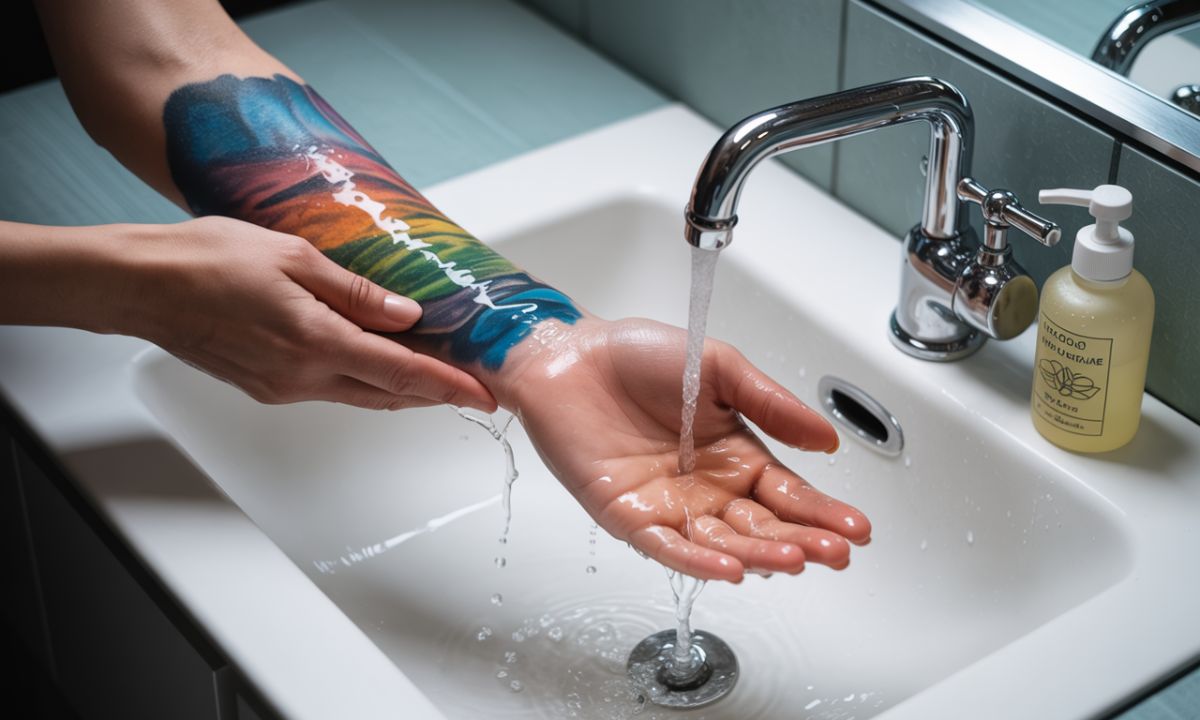
Follow this precise cleaning routine every time:
- Wash hands thoroughly for 20 seconds first
- Use lukewarm water (never hot or cold)
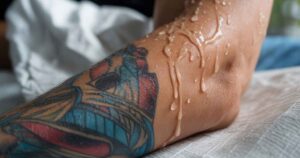
- Wet tattoo gently under flowing water
- Apply small amount of fragrance-free soap to hands
- Create light lather before touching tattoo
- Clean using fingertips in circular motions
- Rinse completely until all residue disappears
- Pat dry with clean paper towels
Never scrub aggressively or use washcloths. These proper cleaning techniques prevent complications and support the recovery process. Air-drying works wonderfully too.
Aftercare and Moisturizing
Washing represents only half of proper tattoo aftercare. Moisturizing skin works synergistically with correct soap selection.
Applying Aftercare Products
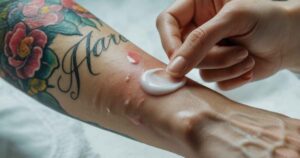
Wait 5-10 minutes after washing before applying products. Natural air-drying prevents moisture trapping underneath. Apply thin layers using the “less is more” philosophy. During tattoo healing, moisturize 2-3 times daily.
Use medical-grade ointments for the first three days. Switch to gentle products like fragrance-free lotions during days 4-14. Regular moisturizers work fine after week three. Apply using gentle patting motions, not rubbing.
Choosing the Right Moisturizer
Your moisturizer choice affects long-term tattoo appearance significantly. Aquaphor Healing Ointment excels during initial healing. Cetaphil Moisturizing Cream provides ongoing care beautifully. Lubriderm Daily Moisture maintains healed tattoos perfectly.
Avoid Neosporin—it causes potential allergic reactions. Heavy petroleum jelly suffocates healing skin. Skip scented body butters entirely. Products with alcohol or menthol create unnecessary skin discomfort.
Understanding the Healing Process
Recognizing normal healing prevents unnecessary panic during tattoo recovery.
Phases of Tattoo Healing
Tattoo healing unfolds across three distinct phases:
Phase 1: Inflammation (Days 1-6)
Redness, swelling, and warmth appear normally. Plasma and lymph fluid ooze initially. Skin feels tender and tight. Continue frequent washing with appropriate soap. Mild burning and early itching begin.
Phase 2: Proliferation (Days 7-14)
Peeling and flaking start prominently now. Skin appears dull or temporarily cloudy. Itching intensifies significantly—resist scratching! Scabs may form if over-dried. Colors seem faded temporarily but return.
Phase 3: Maturation (Weeks 3-4+)
Surface healing completes fully while deeper layers regenerate. True colors emerge gradually and beautifully. Texture normalizes completely. Reduce washing to normal routine.
Signs of Proper Healing
Healthy healing exhibits these specific characteristics:
- Consistent peeling without excessive scabbing
- Mild itching without burning sensation
- Gradual color clarity improvement daily
- Decreasing tenderness progressively
- Minimal fluid discharge after day three
- Even skin texture development throughout
Colors should brighten weekly during the healing stage. Proper firmness and normal temperature return gradually. Moisturizing skin consistently produces the best results.
When to Seek Medical Advice
Certain symptoms require immediate professional attention during tattoo aftercare.
Infection warning signs include:
- Yellow or green pus discharge
- Increasing redness spreading beyond tattoo borders
- Fever exceeding 100.4°F
- Red streaks extending from tattooed area
- Severe swelling after initial healing days
- Foul odor emanating from skin
Allergic reaction symptoms show as:
- Raised, bumpy rash beyond normal healing
- Intense itching unrelieved by moisturizer application
- Hives appearing around tattooed area
- Difficulty breathing (rare but serious)
Contact your tattoo artist first for assessment. Visit urgent care for infection symptoms immediately. See dermatologists for allergic reactions. Don’t delay seeking help when concerned.
Frequently Asked Questions
What type of soap is recommended for cleaning a new tattoo?
Use gentle, fragrance-free, pH-balanced soap for cleaning new tattoos.
Are antibacterial soaps necessary for tattoo aftercare?
Mild antibacterial soaps help, but gentle cleansers work perfectly fine.
Can unscented soap be used to clean a fresh tattoo?
Yes, unscented soap prevents irritation and supports healthy tattoo healing.
Should certain soaps be avoided during the tattoo healing process?
Avoid soaps containing fragrances, sulfates, alcohols, and harsh exfoliating ingredients.
Is it safe to use baby soap on a new tattoo?
Yes, unscented baby soap is gentle and safe for tattoos.
Can use of inappropriate soaps affect tattoo healing?
Wrong soaps cause infections, irritation, fading, and prolonged healing time.
Conclusion
Choosing what soap to wash tattoo with determines healing success completely. Select pH-neutral, fragrance-free, gentle cleansers always. Avoid harsh chemicals, sulfates, and artificial fragrances completely during tattoo treatment. Follow precise proper cleaning techniques multiple times daily. Moisturize consistently with gentle products throughout the healing process.
Recognize normal healing phases to avoid panic. The recovery process takes patience and dedication. Seek medical help when concerning symptoms appear. Your fresh ink deserves exceptional care.
Protecting your artistic investment requires commitment to proper tattoo maintenance. Good habits maintain vibrancy for decades. These effective cleaning methods and soap selection strategies ensure your tattoo heals beautifully. Start implementing these techniques immediately for optimal results.
Remember: tattoo healing succeeds when you combine knowledge with consistency. Your stunning artwork will thank you.